

Fire Recovery Project Timelines Reflect a Structured Process from Damage Assessment to Restoration
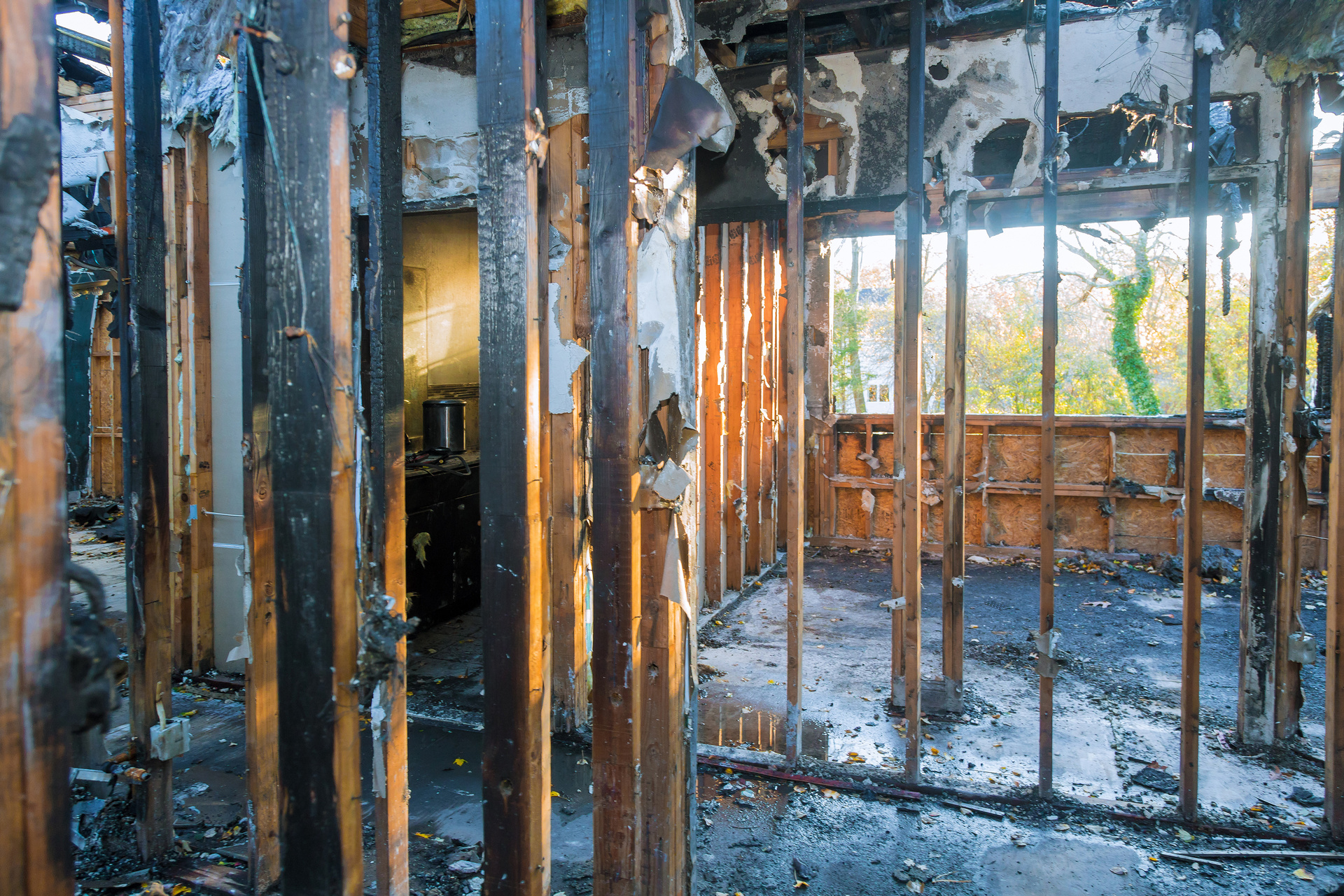

Fire recovery follows a step-by-step process. The focus starts with safety and assessment, then moves into cleanup, drying, and rebuilding. ”
MANDEVILLE, LA, UNITED STATES, April 24, 2026 /EINPresswire.com/ -- — Chuck Gilpin
Fire recovery projects follow a structured timeline that helps guide properties from initial damage to a restored condition. While each situation is different, most recovery efforts move through a series of steps designed to address safety, cleanup, repair, and rebuilding in a clear and organized way.
The first stage begins immediately after the fire is contained. Safety is the primary concern at this point. Structural stability, electrical hazards, and air quality must be evaluated before any work can begin. Access to the property may be limited until it is determined that conditions are safe.
Once the property is cleared for entry, an assessment takes place. This step focuses on identifying the extent of the damage. Fire can affect more than what is visible. Heat, smoke, and water used to extinguish the fire often impact multiple areas of the structure. Walls, ceilings, flooring, and contents are reviewed to understand the full scope of the situation.
After the assessment, the cleanup phase begins. This includes removing debris, damaged materials, and any items that cannot be restored. The goal is to clear the space and prepare it for further work. During this stage, attention is also given to soot and residue left behind by smoke.
Smoke damage can travel beyond the immediate area of the fire. It can settle into surfaces, fabrics, and ventilation systems. Cleaning these areas helps reduce lingering odors and prepares the structure for repair.
Water removal is often part of the process as well. Fire suppression efforts can leave behind significant moisture. Drying the structure helps prevent additional issues such as mold growth. Equipment may be used to remove water and reduce humidity levels.
Chuck Gilpin, president of Gulf States Clean Guard in Mandeville, discussed how fire recovery timelines typically progress.
“Fire recovery follows a step-by-step process. The focus starts with safety and assessment, then moves into cleanup, drying, and rebuilding. Each stage depends on the one before it, which is why the timeline can vary depending on the extent of the damage.”
Once cleanup and drying are complete, the repair phase begins. This stage addresses structural damage caused by the fire. Framing, drywall, roofing, and other building components may need to be repaired or replaced. The extent of this work depends on how much of the structure was affected.
In some cases, only certain areas require repair. In others, larger portions of the property may need to be rebuilt. This phase can take time, as it involves careful planning and coordination.
Reconstruction follows repair when necessary. This stage focuses on restoring the property to a usable condition. Finishes such as flooring, paint, cabinetry, and fixtures are installed. The goal is to return the space to its original function.
Insurance is often part of the recovery process. Claims may be filed to document damage and determine coverage for cleanup and repairs. Adjusters may review the property, and approvals can be required before certain stages move forward. This process can influence the overall timeline but helps ensure that the work aligns with policy requirements.
Throughout the process, communication and coordination are important. Insurance claims, inspections, and approvals can influence the timeline. These steps may add time but are part of ensuring that the work meets required standards.
The overall timeline of a fire recovery project can vary. Smaller incidents may move through the process more quickly, while larger losses may take longer due to the extent of damage and required repairs. Environmental conditions, material availability, and scheduling can also affect timing.
One of the most important aspects of fire recovery is patience. Each step builds on the previous one. Rushing through early stages can lead to issues later, particularly if moisture or hidden damage is not fully addressed.
Planning also plays a role in managing expectations. Understanding that recovery involves multiple phases helps property owners prepare for the process. While the situation may feel urgent, the work must follow a sequence to be effective.
Preventive considerations may arise during reconstruction. Adjustments to materials, layout, or systems can be made to support future resilience. These decisions are typically addressed during the rebuilding phase.
Fire recovery is not limited to visible repairs. It involves addressing structural, environmental, and functional aspects of a property. Each stage contributes to restoring stability and usability.
Understanding the timeline of fire recovery projects provides clarity during a difficult situation. By following a structured process, properties can move from damage to restoration in a way that supports long-term use and safety.
Morgan Thomas
Rhino Digital, LLC
+1 504-875-5036
email us here
Visit us on social media:
Facebook
Legal Disclaimer:
EIN Presswire provides this news content "as is" without warranty of any kind. We do not accept any responsibility or liability for the accuracy, content, images, videos, licenses, completeness, legality, or reliability of the information contained in this article. If you have any complaints or copyright issues related to this article, kindly contact the author above.
